



During onroad driving we could see on some vehicles that their engine management systems displayed different behaviour that wasn't present during a homologation emission test on a rolling road. From these facts we can judge that the diagnostic algorithms of many car manufacturer engine ECU's can detect that they are in a homologation emission test. In such cases these vehicles cannot meet the required emission limits. Tests performed by other foreign test labs (e.g. ADAC) have confirmed that this is the case on many brands. German journalists have published our findings on the title page of kfz-betrieb: http://www.kfz-betrieb.vogel.de/service/articles/506905/
Ford Mondeo 1,8 TDci - EGR system control anomaly
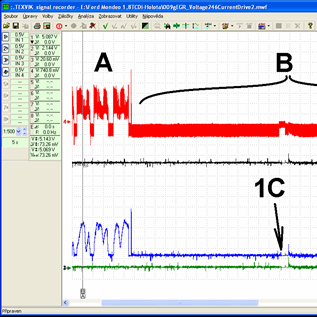
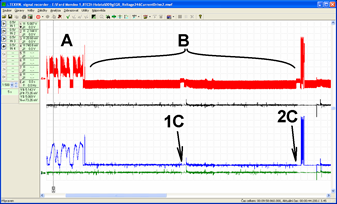
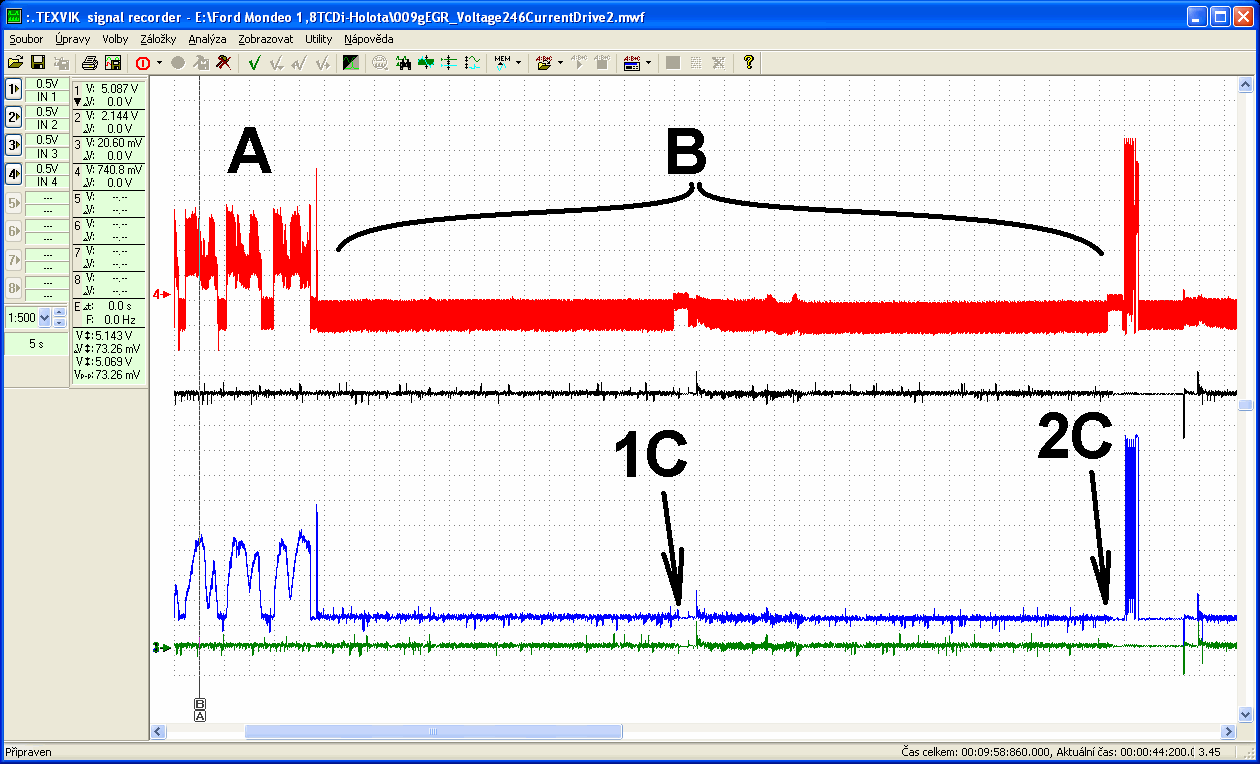
While monitoring parameters on this vehicle it was exposed that the engine management system includes a mode that for sure cannot meet the emission limits. The control valve of the EGR system was closed while driving in this mode and stopped working completely. No DTC was stored in memory. The management system has thus deliberately disconnected the EGR system. The EGR system is very important for reducing NOx values.
Peugeot 308 1,4 e-HDi FAP SCR with Start Stop system - AdBlue injection
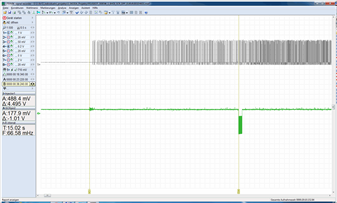
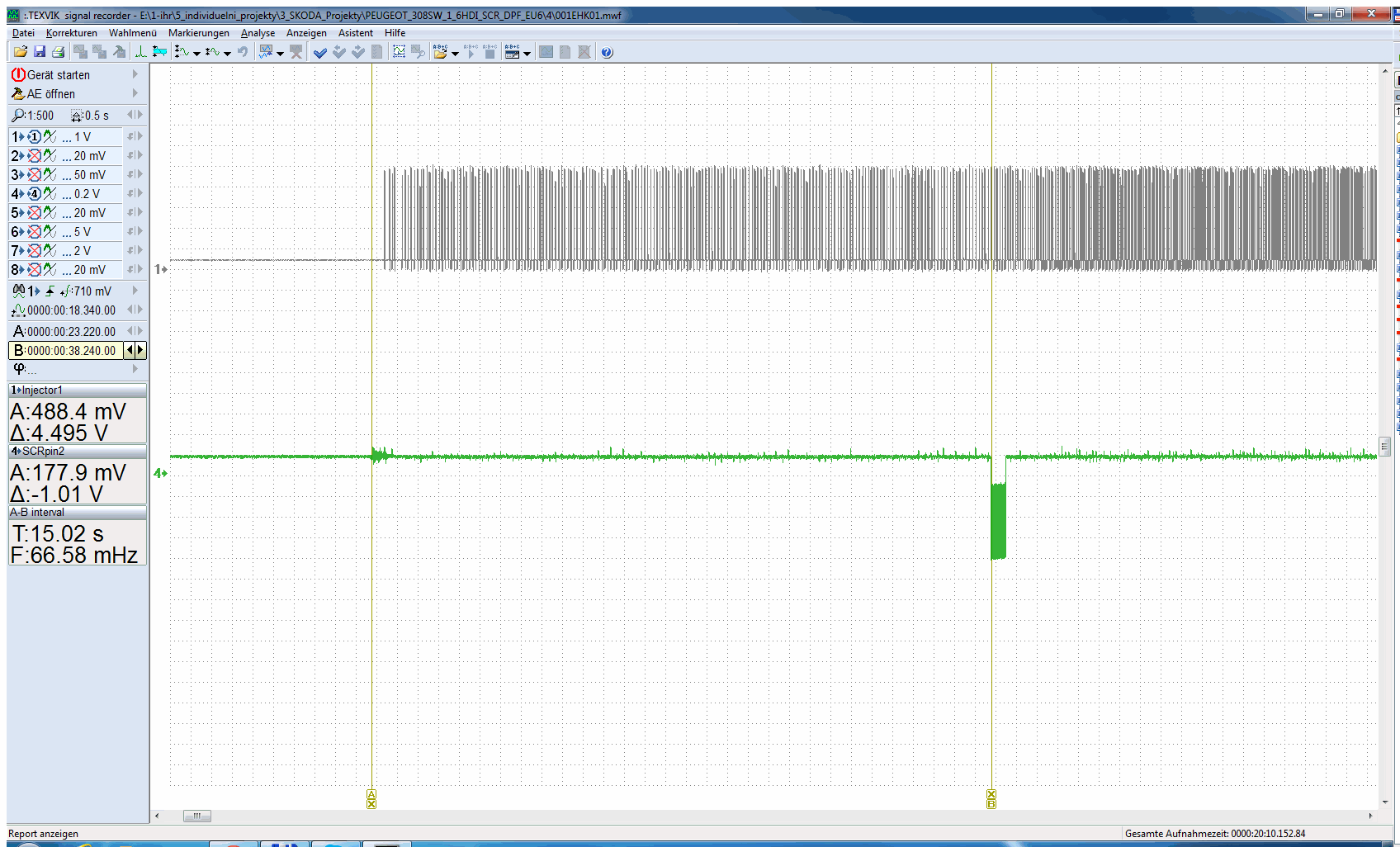
Testing of the vehicle on a rolling road and during normal onroad driving confirmed that the AdBlue is injected in front of the SCR catalytic converter with different strategies. On the rolling road the system was pressurized at regular intervals of 15 seconds after start so that the system is prepared for immediate operation. During onroad driving the system was pressurised always much later, at intervals around 8 minutes from start of driving. When driving under load conditions the Peugeot started to intermittently save the AdBlue in modes where on the rolling road it injected at more regular and frequent intervals. At the same time we measured during onroad driving higher emissions of nitrogen oxides that corresponded with the less frequent injection of AdBlue.
Subaru Forester 2,0 d 4x4 with LNT catalytic converter (EURO6) vs. Škoda Octavia 1,9 TDi (EURO4)
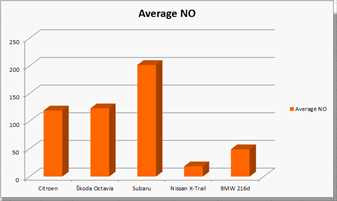
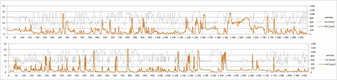
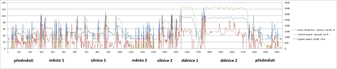
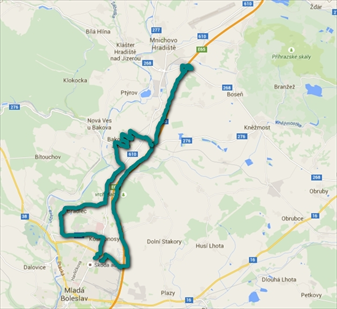
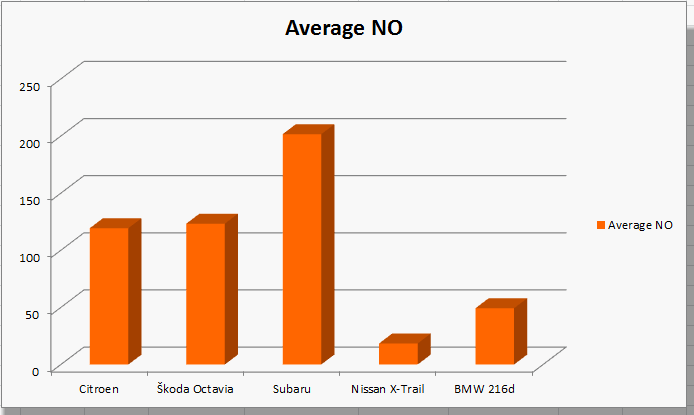
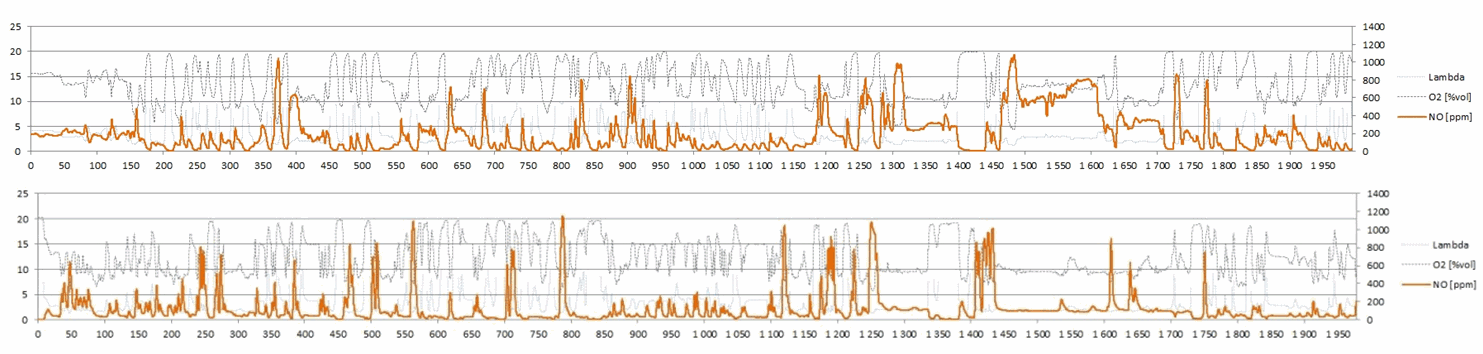
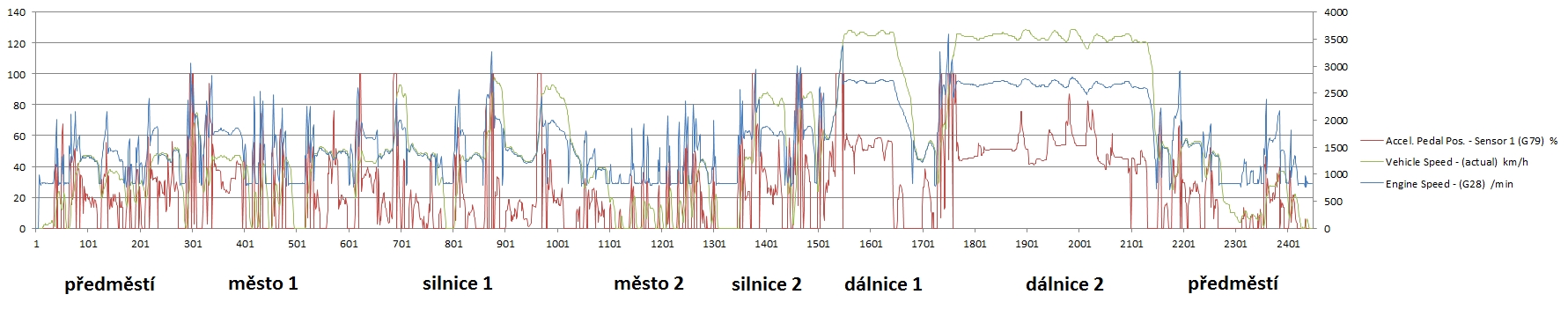
By measuring NO components in exhaust gases using a method where we compare the dynamic behaviour of a partial sample of nitrogen monoxide in the exhaust gases and then measured using a volume method from this partial sample (every 200ms a sample of the currently emitted harmful components was taken from the collected exhaust gases in ppm values). It was discovered that the Subaru meeting EURO 6 emission levels exceeds the average values during the complete onroad test by a full 39% when compared to two emission generations older Škoda Octavia 1,9 TDi (EURO 4). The used method is not standard and doesn't belong to the approved methods. But to determine the difference in emitted NO levels as a comparsion parameter between different vehicles it is sufficient. In fact this is good because the ECU cannot determine if the car is in an emissions test mode or not and thus it is possible to monitor the emission behaviour of the vehicle during normal onroad driving conditions and measure the real content that is coming out of the exhaust tailpipe.



Komentáře (0)